PRESS
Intervista con Pure Street Photography.
È stato un vero onore essere intervistato da Pure Street Photography, una piattaforma internazionale dedicata a raccontare l’essenza più autentica della street photography.
Durante questa conversazione ho avuto l’opportunità di condividere la mia visione artistica, il mio approccio alla fotografia in bianco e nero ad alto contrasto e il mio modo di raccontare le emozioni genuine che emergono dagli scenari urbani.
Collaborazione con Mondadori.
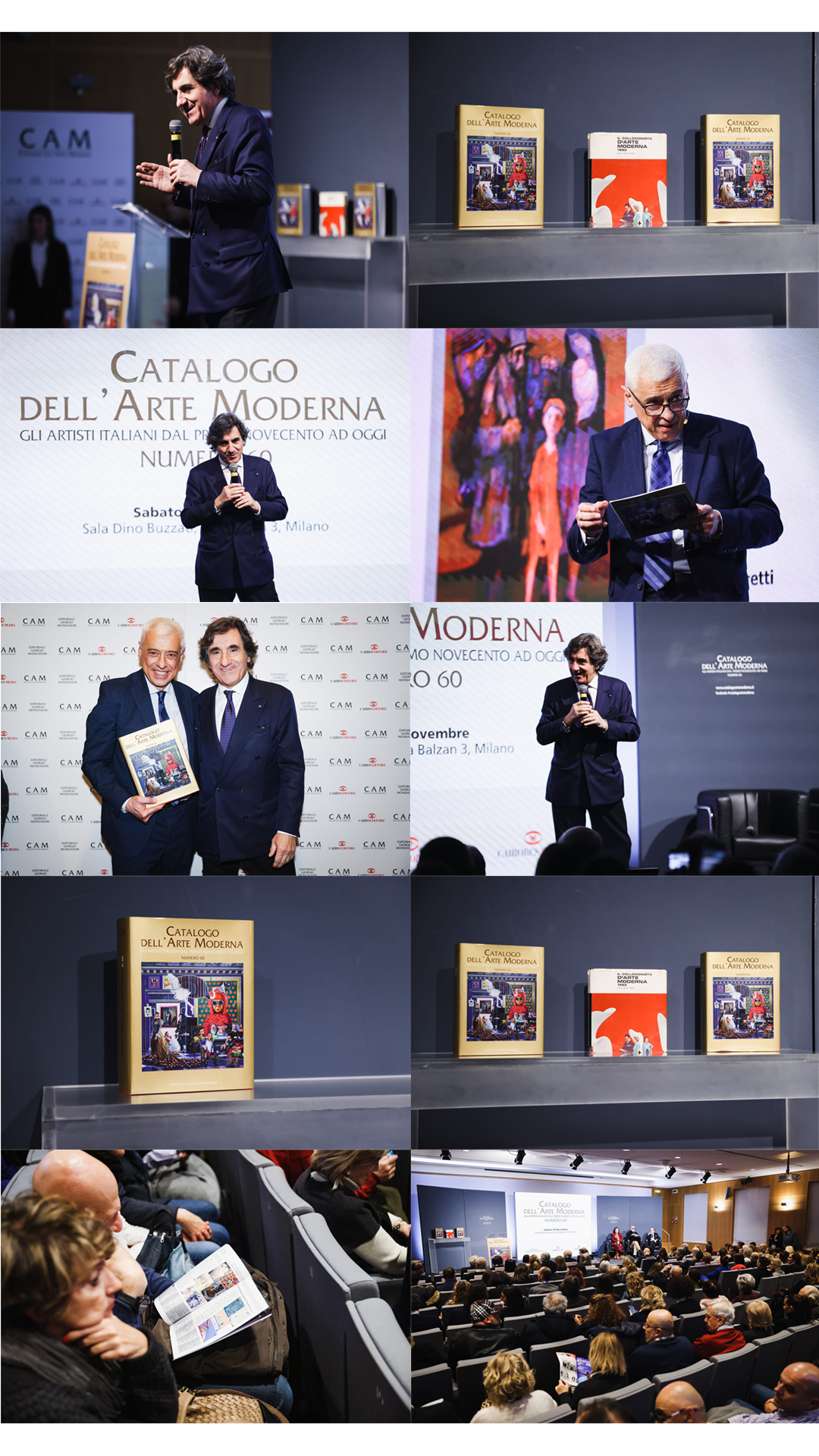
Con grande piacere, sono stato inoltre selezionato e pubblicato nella 60ª edizione del CAM – Catalogo dell’Arte Moderna, edito da Mondadori.
Dopo l’intervista troverai alcune immagini della presentazione ufficiale, insieme al link diretto alla pagina dedicata al CAM.
Collaborazione con Giunti editore.
Lieto infine di annunciare che sono stato selezionato per essere inserito nell’Atlante dell’Arte Contemporanea, il prestigioso catalogo edito da Giunti Editore, considerato un punto di riferimento nel panorama artistico nazionale e internazionale.
La pubblicazione ufficiale del volume è prevista per gennaio 2026: un riconoscimento importante che consolida il mio percorso nel mondo dell’arte contemporanea.
Dopo l’intervista troverai la presentazione ufficiale.
Mostra presso la Galleria Dantebus.
Ho partecipato a una mostra collettiva organizzata dalla Galleria Dantebus, situata nel cuore del centro storico di Firenze, in via dello Studio.
L’evento ha rappresentato un’interessante occasione di confronto tra artisti contemporanei, offrendo uno spazio dedicato alla fotografia d’autore in un contesto espositivo curato e di grande visibilità.
Tra le opere selezionate, è stata presentata anche una mia fotografia accompagnata da una serie di video esplicativi, visibili sulle pagine ufficiali della Galleria.
👉 Guarda la pagina ufficiale della mostra su Dantebus
👉 Guarda le interviste ufficiali su Dantebus
Portfolio review by Ainhoa Fernández

Interview with Pure Street Photography
It was a true honor to be interviewed by Pure Street Photography, an international platform dedicated to exploring the most authentic essence of street photography.
During this conversation, I had the opportunity to share my artistic vision, my approach to high-contrast black and white photography, and my way of capturing genuine emotions within urban settings.
Collaboration with Mondadori.
I was also truly pleased to be selected and published in the 60th edition of the CAM – Catalog of Modern Art, published by Mondadori.
After the interview, you’ll find some images from the official presentation, along with a direct link to the dedicated page at the CAM.
Collaboration with Giunti Editore.
I’m also happy to announce that I have been selected for inclusion in the Atlas of Contemporary Art, the prestigious catalog published by Giunti Editore, considered a key reference in the national and international art scene.
The official release of the volume is scheduled for January 2026: an important milestone that strengthens my path in the world of contemporary art.
After the interview, you’ll find the official presentation.
Exhibition at Dantebus Gallery
took part in a group exhibition organized by Dantebus Gallery, located in the heart of Florence’s historic center, on Via dello Studio.
The event was a valuable opportunity for dialogue among contemporary artists, offering a space dedicated to fine art photography in a carefully curated and highly visible setting.
Among the selected works, one of my photographs was exhibited along with an explanatory video, available on the official exhibition page.
👉 View the official exhibition page on Dantebus
👉 View the official interview on Dantebus
Leonardo Bandinelli — Interview with Pure Street Photography
An exclusive interview by Dimpy Bhalotia and Kamal Kumaar Rao, published on March 6, 2025
We would love to know more about you! Who you are and where you’re from? When did you start street photography?
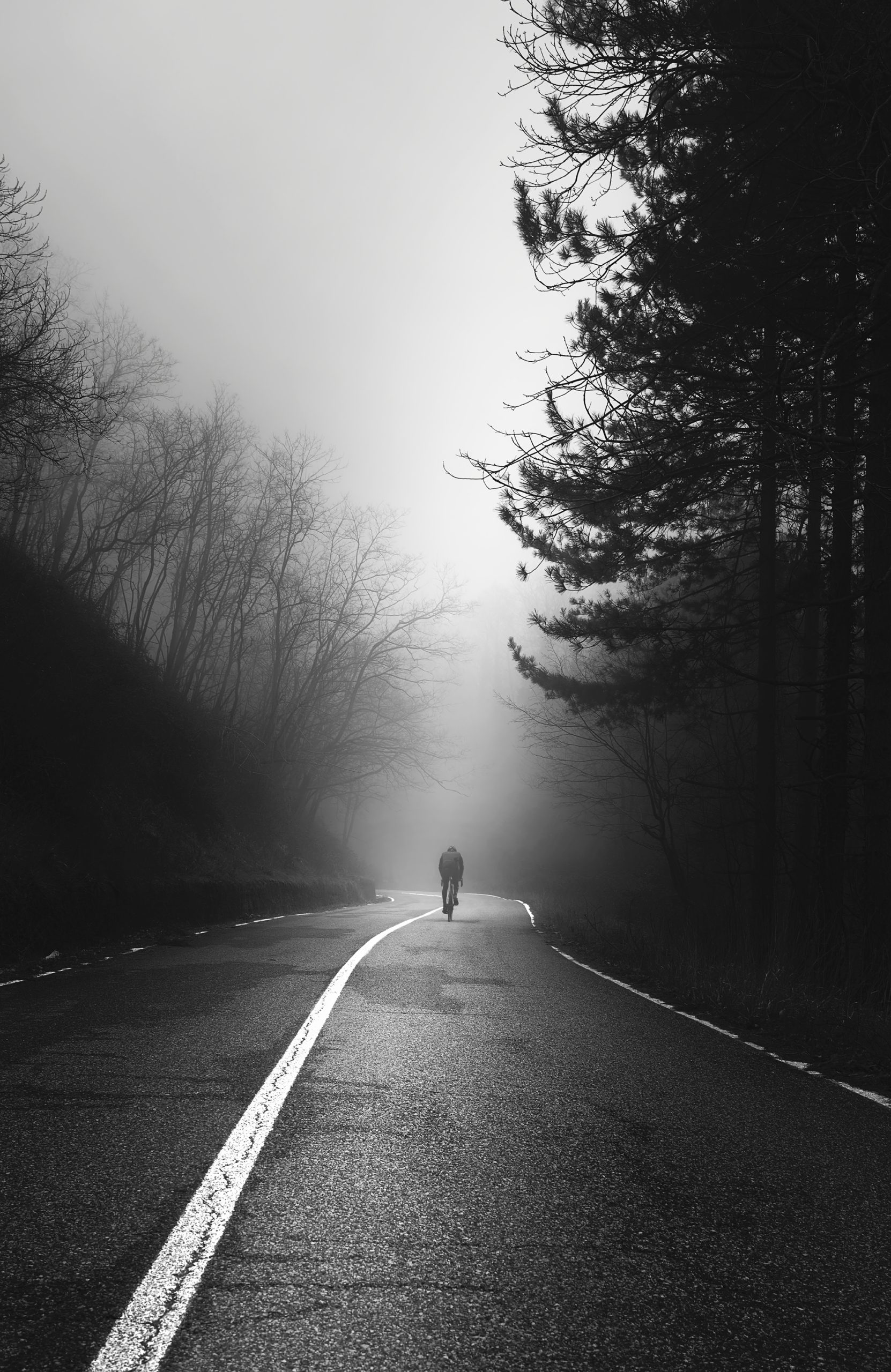
My name is Leonardo Bandinelli, and I’m from Italy. I started street photography several years ago, drawn by the idea of capturing authentic and unrepeatable moments of everyday life. Over time, I refined my style, focusing more and more on a high-contrast black-and-white approach.
What inspired you to become a street photographer?
Street photography has always fascinated me for its ability to tell stories without words. I’m particularly interested in the interplay between light and shadow, strong contrasts, and the emotions captured in people’s faces and gestures. I love the idea of freezing a moment that would otherwise be lost forever.
How would you describe your work in terms of style and/or approach?
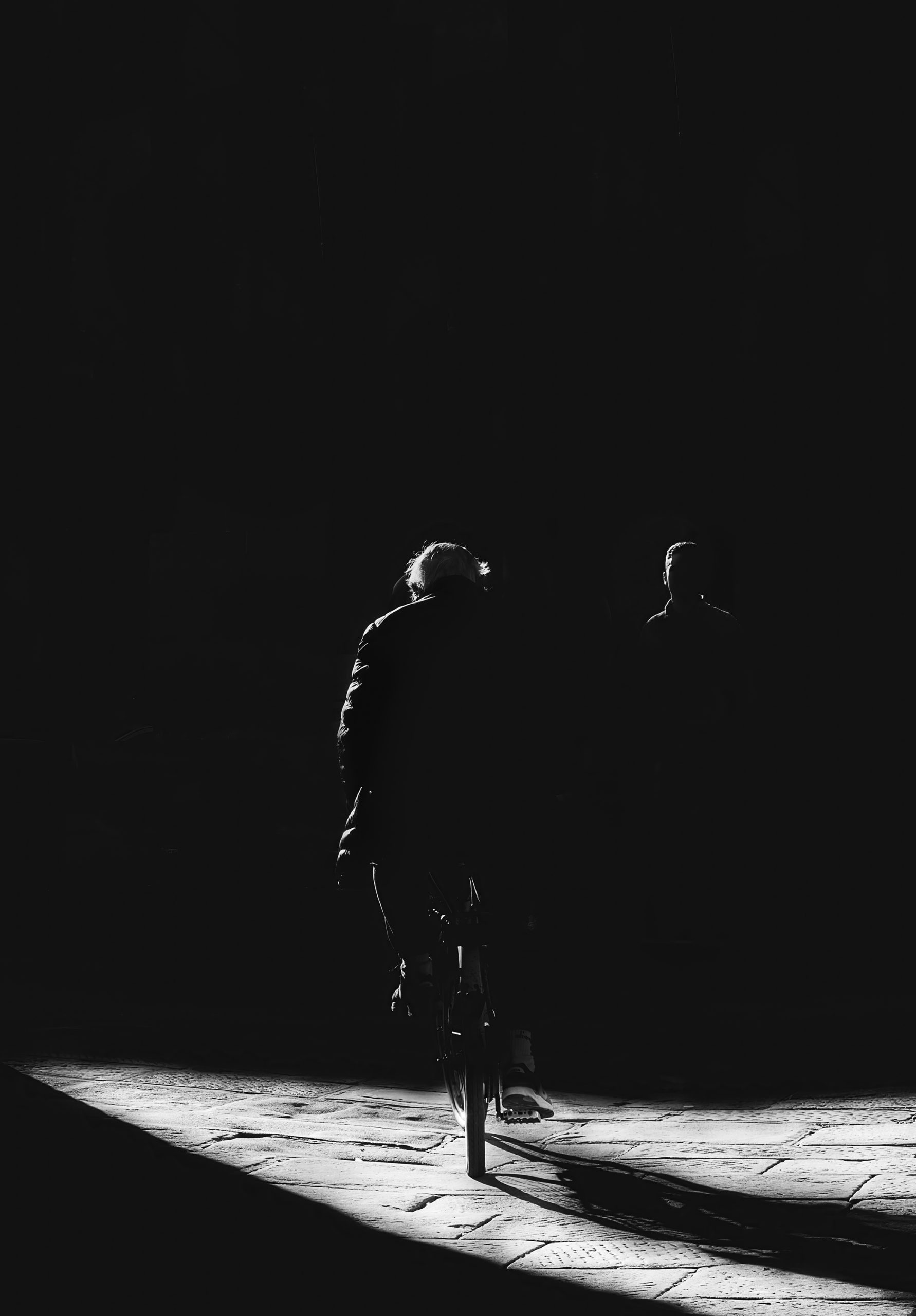
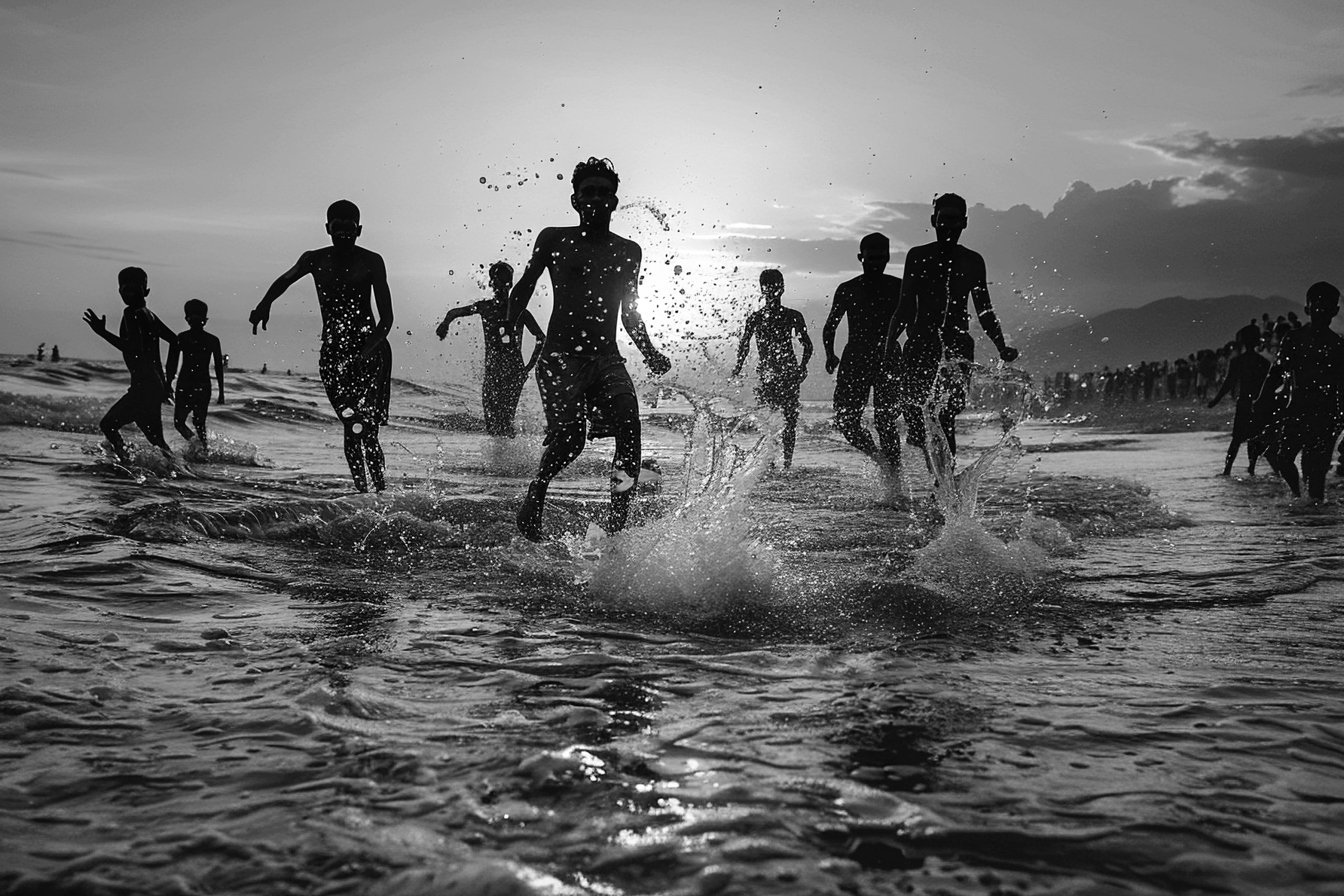
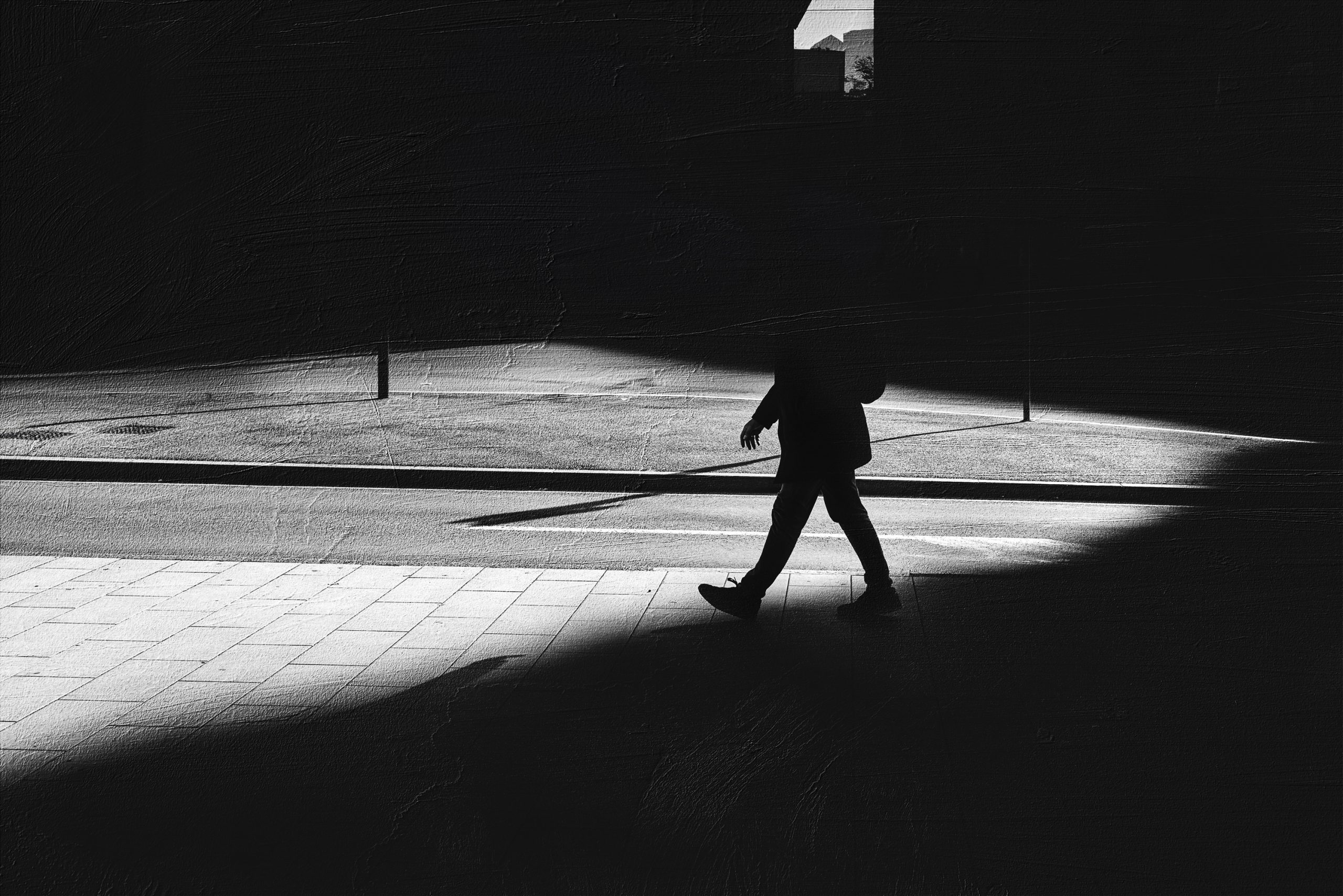
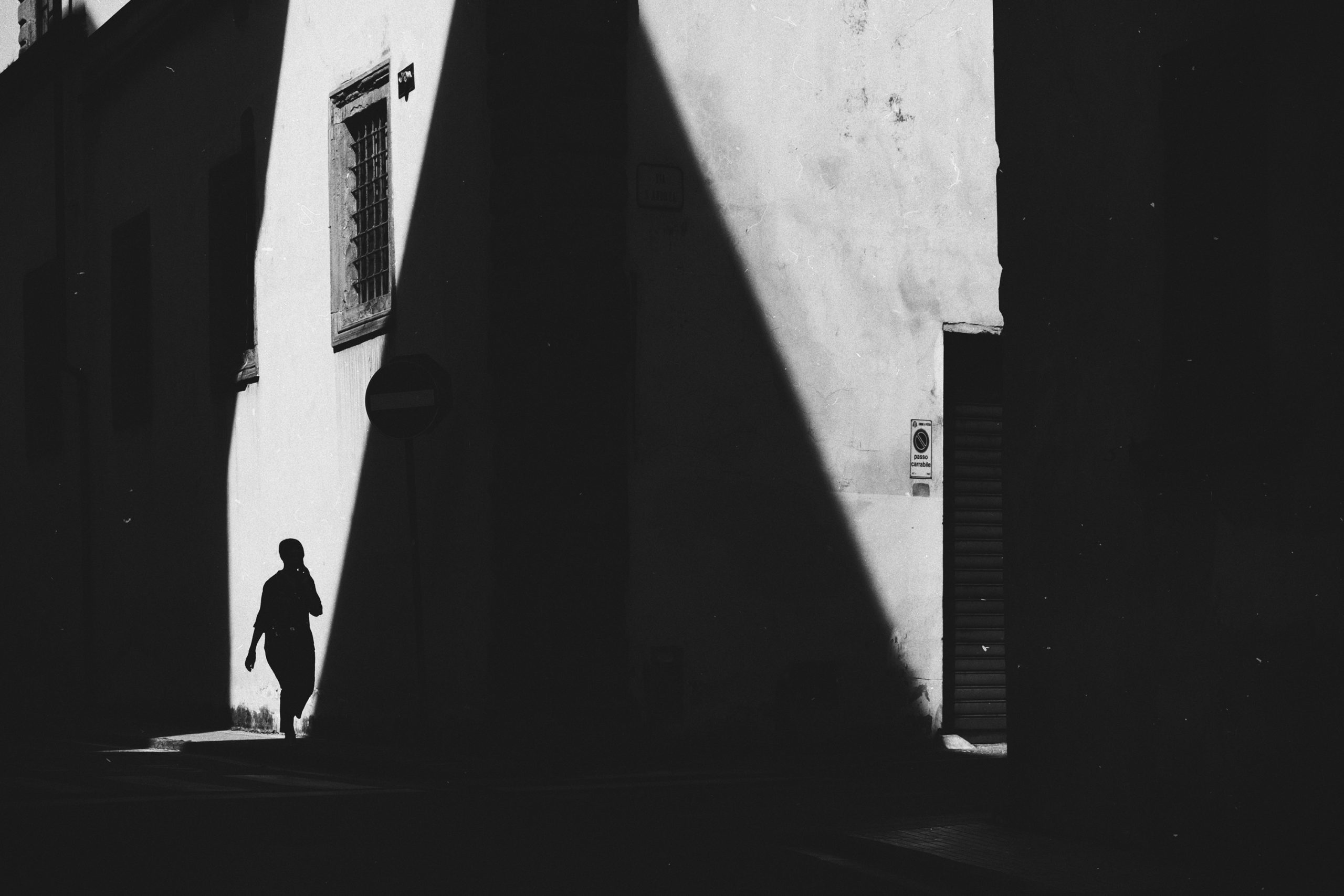
My work is characterized by strong contrast and a prominent use of backlighting, often turning subjects into silhouettes. I prefer black and white because I find it removes distractions and makes images more powerful and evocative. My photography often has a dramatic, sometimes noir-like atmosphere, and I always aim to capture intense and meaningful moments.
What is your photography routine like? Do you photograph every day?
I do not necessarily shoot every day, but I try to be consistent. When I go out to shoot, I let myself be guided by instinct and the mood of the moment. Photography is an immersive experience for me. I enjoy observing the world around me and waiting for the right moment to press the shutter.
What camera or mobile device do you use for photography? Do you shoot digitally, on film, or a mix of both?
I currently use a Fuji X-T5, a Leica Q2 Monochrom, a Sony A6400, and a Contax film camera. The Fuji X-T5 offers great versatility and allows me to take advantage of film simulations to achieve a particular aesthetic. The Leica Q2 Monochrom is perfect for pure black-and-white photography, with outstanding image quality and unique tonal rendering. The Sony A6400 is primarily used for specific projects and videos.
I also have a Contax film camera because I love the charm of film and the more meditative process it requires. I enjoy shooting without the immediate feedback of a digital screen, focusing more on the moment and exposure. While digital is my primary medium, I often try to recreate the feel of film through simulations and editing techniques.
What challenges do you face when photographing on the street?
One of the main challenges is overcoming self-consciousness when photographing strangers. Even though I love capturing spontaneous portraits, I sometimes hesitate to ask for permission or to photograph someone without disrupting the moment. Finding the balance between being discreet and achieving a strong composition can also be tricky. From a technical perspective, lighting is a constant challenge, especially since I often work with strong contrasts and backlighting. Lastly, there is the challenge of selection: in a genre where many images are taken, being able to identify the truly powerful ones requires a critical eye and strong editing skills.
Do you ever wonder what happens to the people in your photos?
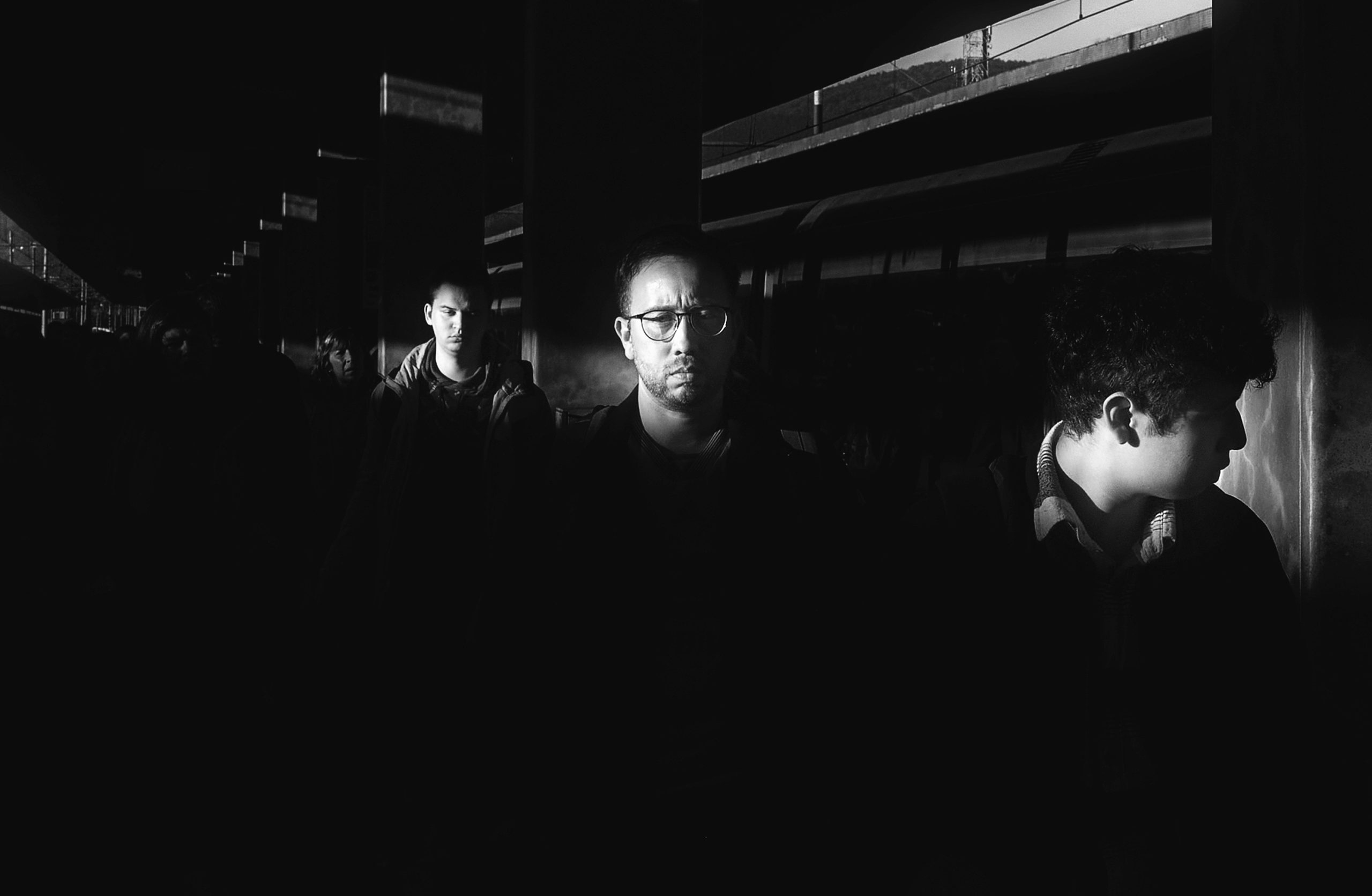
Yes, I often wonder who they are and what their story is. Street photography captures fleeting moments, but behind every face, every shadow, there is an entire life that continues beyond the frame. Sometimes I imagine their thoughts at that moment or what led them to be there. In a way, this mystery is what makes street photography so fascinating: it freezes a fragment of life while leaving space for interpretation and personal storytelling.
In your opinion, what is the biggest misconception people have about street photography?
I think one of the biggest misconceptions is the idea that street photography is just about randomly taking pictures while walking around. In reality, it requires sensitivity, attention to composition, and, most importantly, the ability to anticipate the right moment. Another common misunderstanding is that it is purely a documentary genre. To me, street photography can also be highly artistic, almost metaphorical, and does not always need to have a strictly journalistic purpose. Lastly, some people think it’s easy and accessible to everyone, but the truth is that capturing a powerful and meaningful image is anything but simple.
What are your favourite elements to capture in a street photograph?
What attracts me the most is the interplay of light and shadow, particularly strong contrasts and backlighting, which often transform subjects into mysterious silhouettes. I am also fascinated by composition, especially when I can incorporate architectural elements or leading lines that guide the viewer’s eye within the image. Human interaction is another key element. I do not necessarily seek expressive faces, but rather gestures, postures, or details that tell a story without the need for words.
What is your take on social media influence on street photography?
Social media has made street photography more visible and accessible, but at the same time, it has encouraged a tendency toward images that are immediate and visually impactful, often at the expense of depth and stylistic research. Today, there is a preference for what performs well with algorithms, which can lead to a certain homogenization of styles. However, social media also offers opportunities to discover talented photographers and build a community, as long as one does not become overly influenced by numbers and maintains an authentic artistic identity.
Are your prints available for purchase? If so, where can art buyers and collectors contact you to purchase them?
Yes, my prints are available for purchase on Singulart, a platform dedicated to contemporary art where collectors and enthusiasts can acquire original works. Those interested can visit my page on Singulart to explore the available prints.

What advice would you give to aspiring photographers?
I would say not to rush to find a style but to experiment as much as possible. It’s important to study the great masters of photography, but without trying to copy them — you should absorb inspiration and then develop your own visual language. I would also suggest not being too influenced by social media or the need for immediate approval. Photography requires time, observation, and, above all, consistency. Finally, a technical tip: learn to understand light, because it is the true essence of every image.
Catalogo Arte Moderna