
The Art of Using Light in Photography.
Light is the universal language of photography.
It is the element that shapes images, tells stories, and conveys emotions.
In this article, we will explore how light can profoundly influence your photography, especially in street and portrait photography, and how to choose between natural light and studio light to achieve the desired effect.
We will also discover how different types of light can change the message of your photos and provide practical tips on how to use light for each photographic genre.
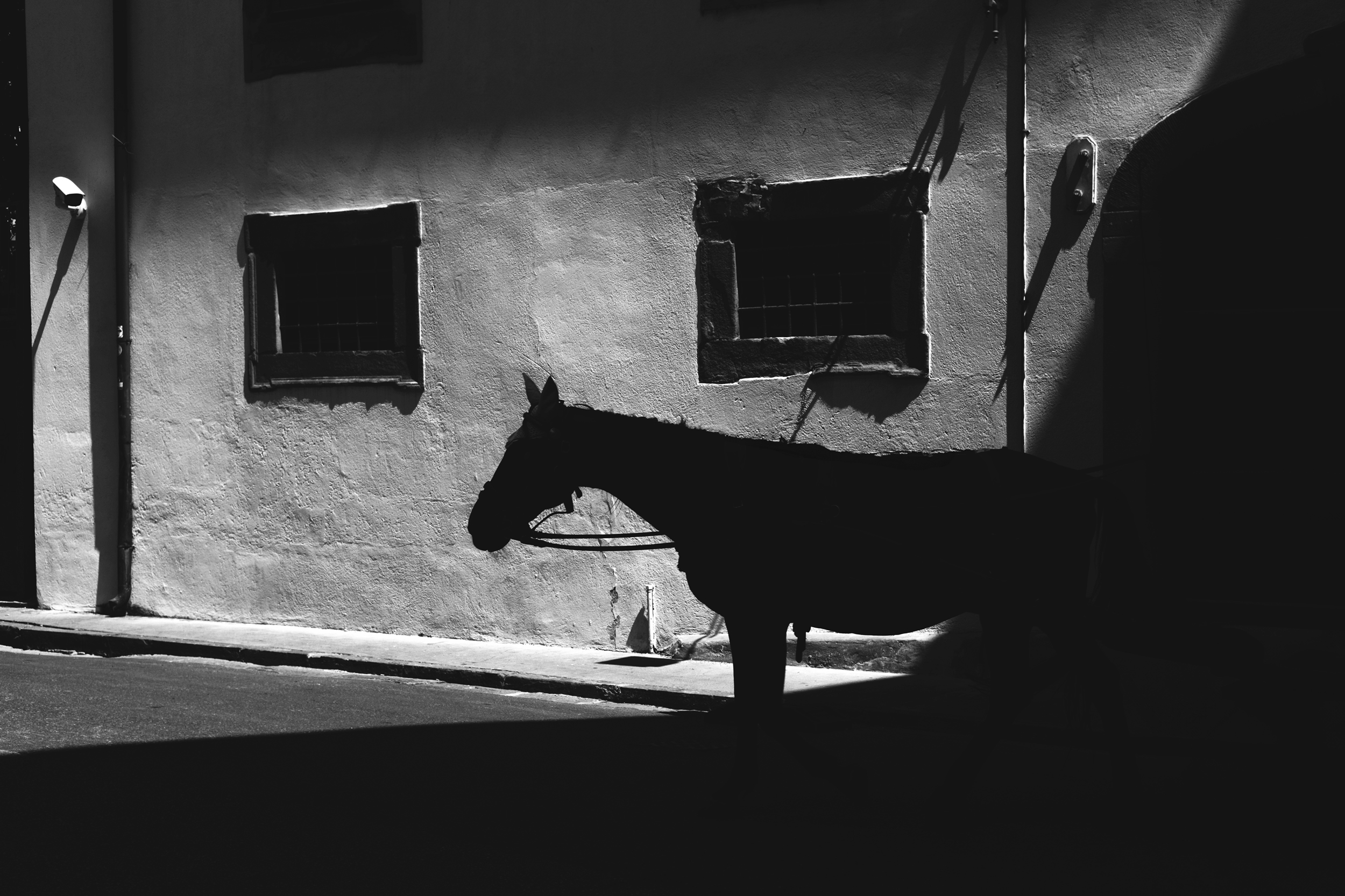
The Fundamental Difference of Natural Light and Studio Light:
Light in Photography: Natural Light.
Coming from the sun, is dynamic and variable.
It can be soft and diffused on cloudy days or hard and contrasted in direct sunlight.
In street photography, natural light can capture the essence of everyday life, showing the city in its authenticity.
The golden hours (sunrise and sunset) offer warm and soft light, ideal for capturing intimate moments and urban landscapes with a magical atmosphere.
Advantages:
- Free and variable brightness.
- Authentic and real atmospheres.
- Easy access and use.
Disadvantages:
- Inability to completely control the direction and intensity of the light.
- Weather variability.
Light in Photography: Studio Light.
Studio light, on the other hand, offers you total control.
You can shape the light with different sources, directions, and intensities, creating the desired effect with precision.
This type of light is particularly useful for portraits and for photographing objects under consistent lighting conditions.
Advantages:
- Complete controllability.
- Ability to create personalized atmospheres.
- Consistency in lighting conditions.
Disadvantages:
- Cost of equipment.
- Space required for setting up the studio.
Artificial Light: The Power of Light Sources.
Single Light Source:
Using a single light source can create dramatic and highly contrasted effects.
This approach is often used in portrait photography to emphasize shadows and textures.
For example, a single flash positioned laterally can create a portrait with deep shadows and a more intense, theatrical effect.
Two Light Sources:
Using two light sources can balance shadows and enhance the dimension of the subject.
This setup is ideal for more balanced and professional portraits, where the main light illuminates the subject and a second light source (called fill light) softens the hard shadows without completely eliminating the contrasts.
Three Light Sources:
This technique involves a main light, a fill light, and a background light.
It is particularly useful for complex portraits and for creating a clear separation between the subject and the background.
It can be used to achieve a glamorous style, creating a smooth and three-dimensional beauty.
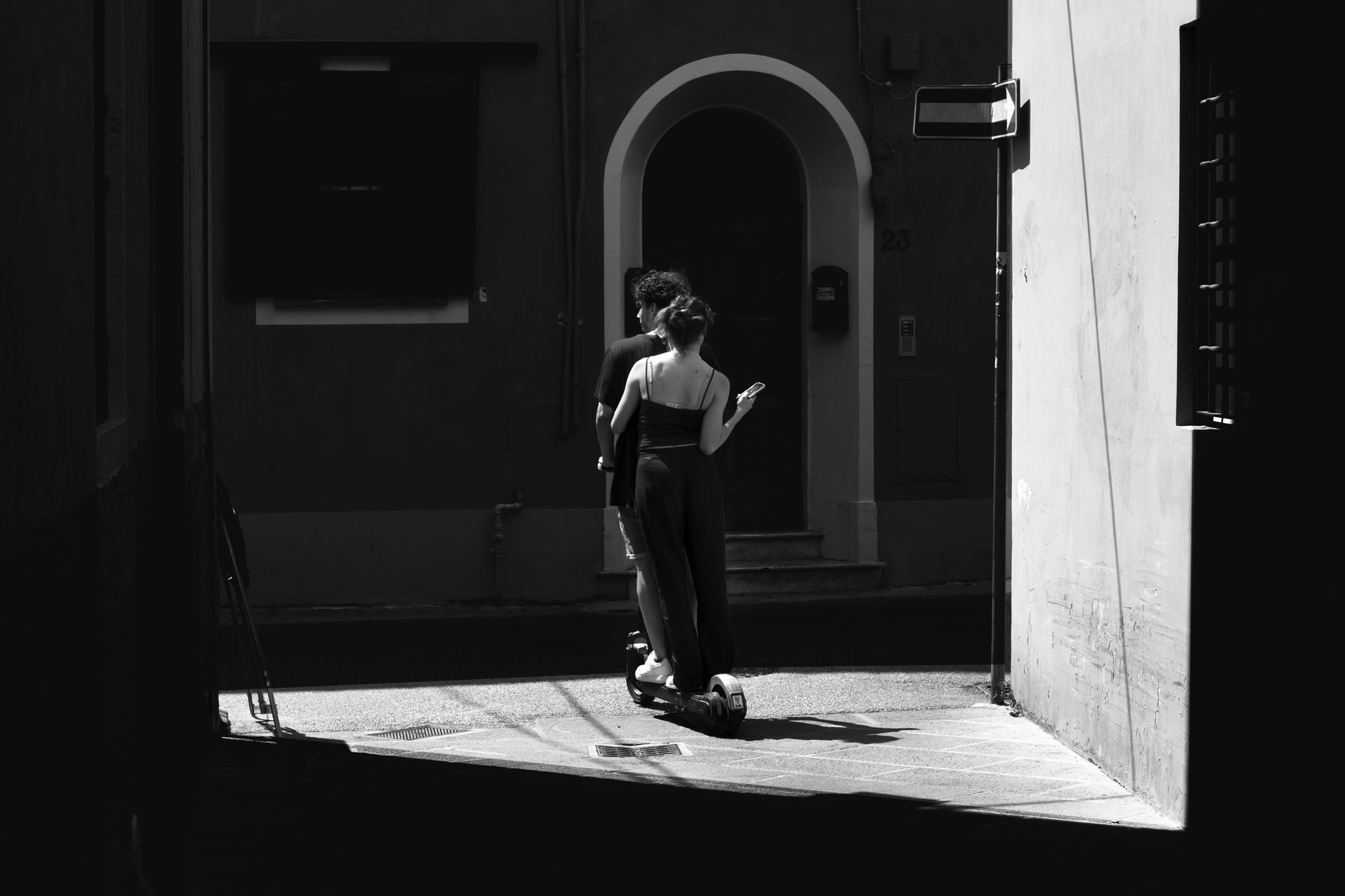
Types of Light for Photographic Genres.
Glamour:
For glamour, use soft and diffused light.
Softboxes and ring lights are ideal for eliminating imperfections and creating smooth, glowing skin. The main light should be positioned frontally, while a fill light can soften the shadows.
Portrait:
For general portraits, opt for more direct but soft light, such as that coming from a softbox.
The light should be slightly elevated and tilted to accentuate facial features without creating overly harsh shadows.
Creative Photography:
Here, light can be used in experimental ways. Use colored lights, projections, and reflections to add unique visual effects and explore the interaction between light and shadow in innovative ways.
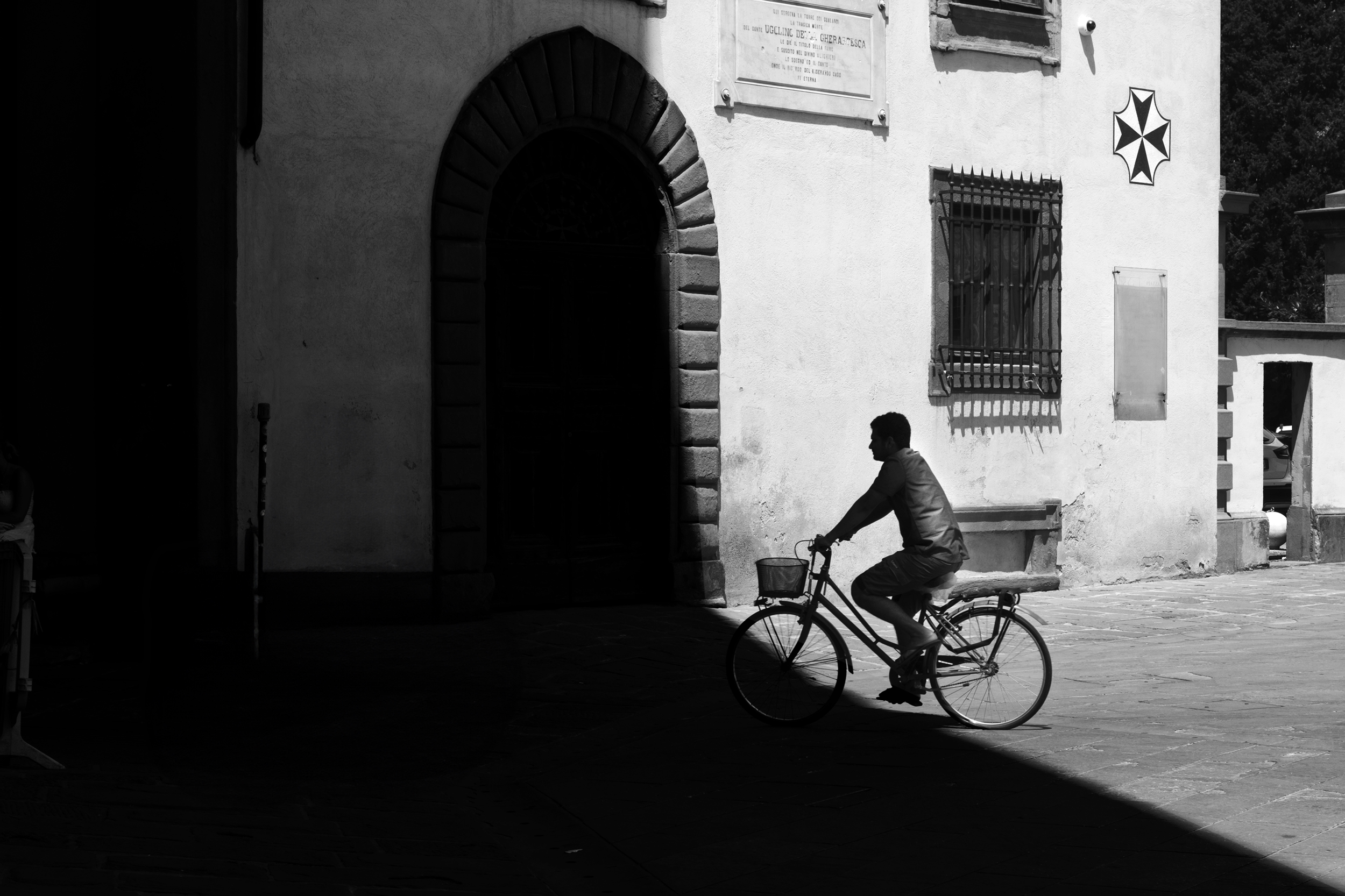
Useful link.
Here are some useful links for understanding the use of light in photography:
- Photography Life: This site offers comprehensive guides on how light impacts photography. It covers the effects of light direction, practical techniques, and tips for using light effectively in different scenarios. Photography Life on Light in Photography
- Shotkit: Shotkit provides detailed guides on various photography lighting techniques such as high-key and low-key lighting, three-point lighting, rim light, and split lighting. It explains each technique and its application. Shotkit on Photography Lighting Techniques
- Expert Photography: This website offers a complete guide to photography lighting, including creative techniques like chiaroscuro lighting and flat lighting. It also covers different types of lighting equipment and how to modify light to achieve desired effects. Expert Photography on Lighting
Call to Action.
Now that you have discovered how light can transform your photos, it’s time to put these tips into practice!
Go out and experiment with different light sources and techniques to find what works best for your personal style.
Remember, let the light speak for you – let your photos tell your story!
As always, I remind you that you can find all my article here.
I encourage you to subscribe to the blog (for free) qui.
A hug,
Leonardo
Summary Table.
| Topic | Description | Advantages | Disadvantages |
|---|---|---|---|
| Natural Light | Coming from the sun, dynamic and variable. | Free, authentic, atmospheric. | Variable, less controllable. |
| Studio Light | Controlled through specific equipment. | Total control, consistency, personalization. | Expensive, requires space. |
| Single Light Source | One light source. | Dramatic effects, intense shadows. | Harsh shadows, uneven lighting. |
| Two Light Sources | Two light sources: main and fill light. | Balanced shadows, professional portraits. | More complex setup. |
| Three Light Sources | Main light, fill light, and background light. | Subject-background separation, three-dimensionality. | Greater complexity and required equipment. |
| Glamour | Soft and diffused light, softboxes, and ring lights. | Smooth and glowing skin, polished effects. | May appear less natural. |
| Portrait | Soft and direct light, preferred softbox. | Accentuates facial features, balanced. | Homogeneity in light required. |
| Creative Photography | Experimental use of colored lights and reflections. | Unique visual effects, innovation. | Requires experimentation and creativity. |