
Premise.
For me, choosing black and white photography is not just a photographic style but also an art form.
Black and white images have that touch of drama that I can’t achieve with color.
Additionally, it is more possible to highlight shapes and contrasts.
Finally, it is well known that black and white photography removes the chromatic distractions that a color photo has.


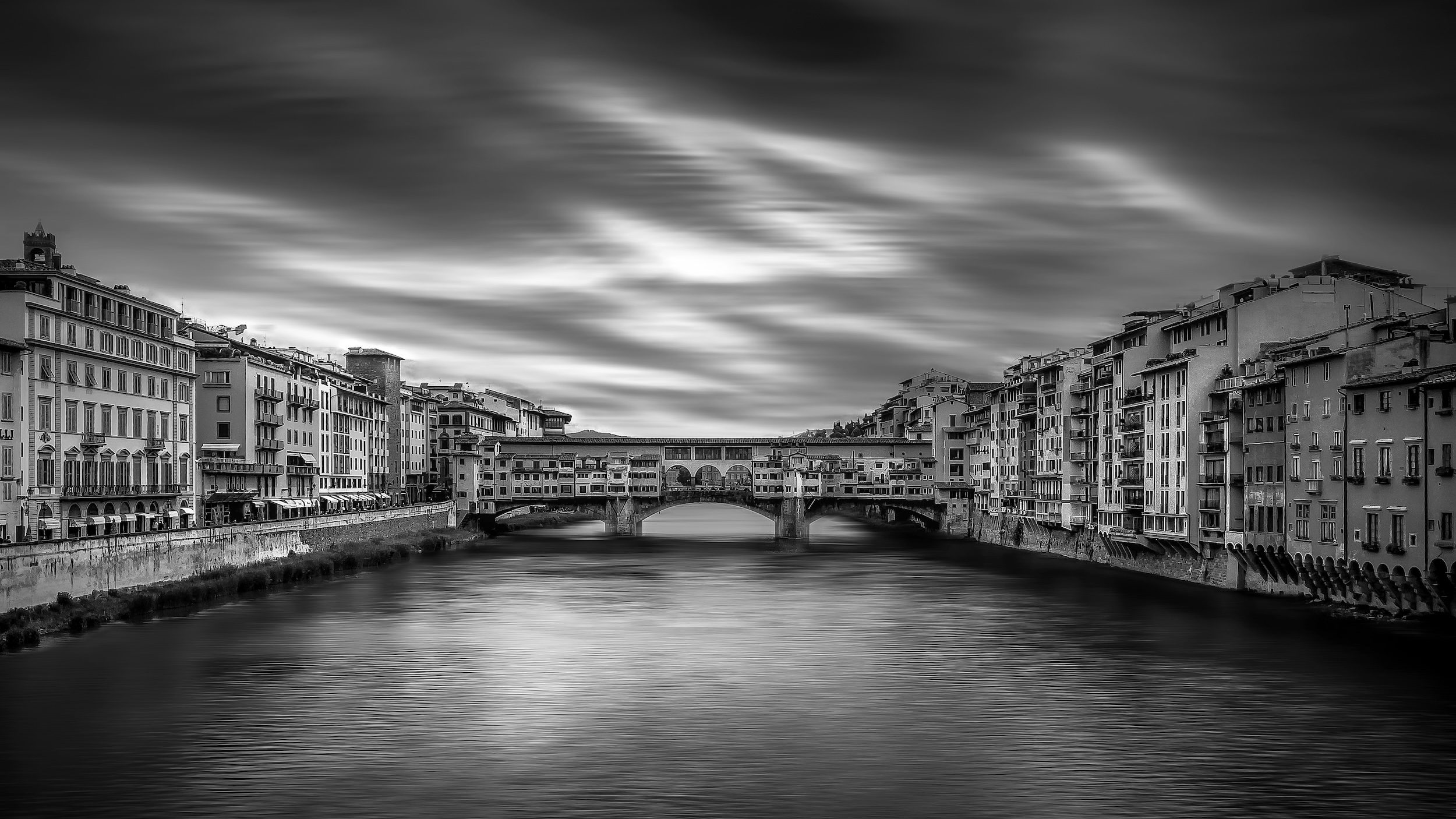
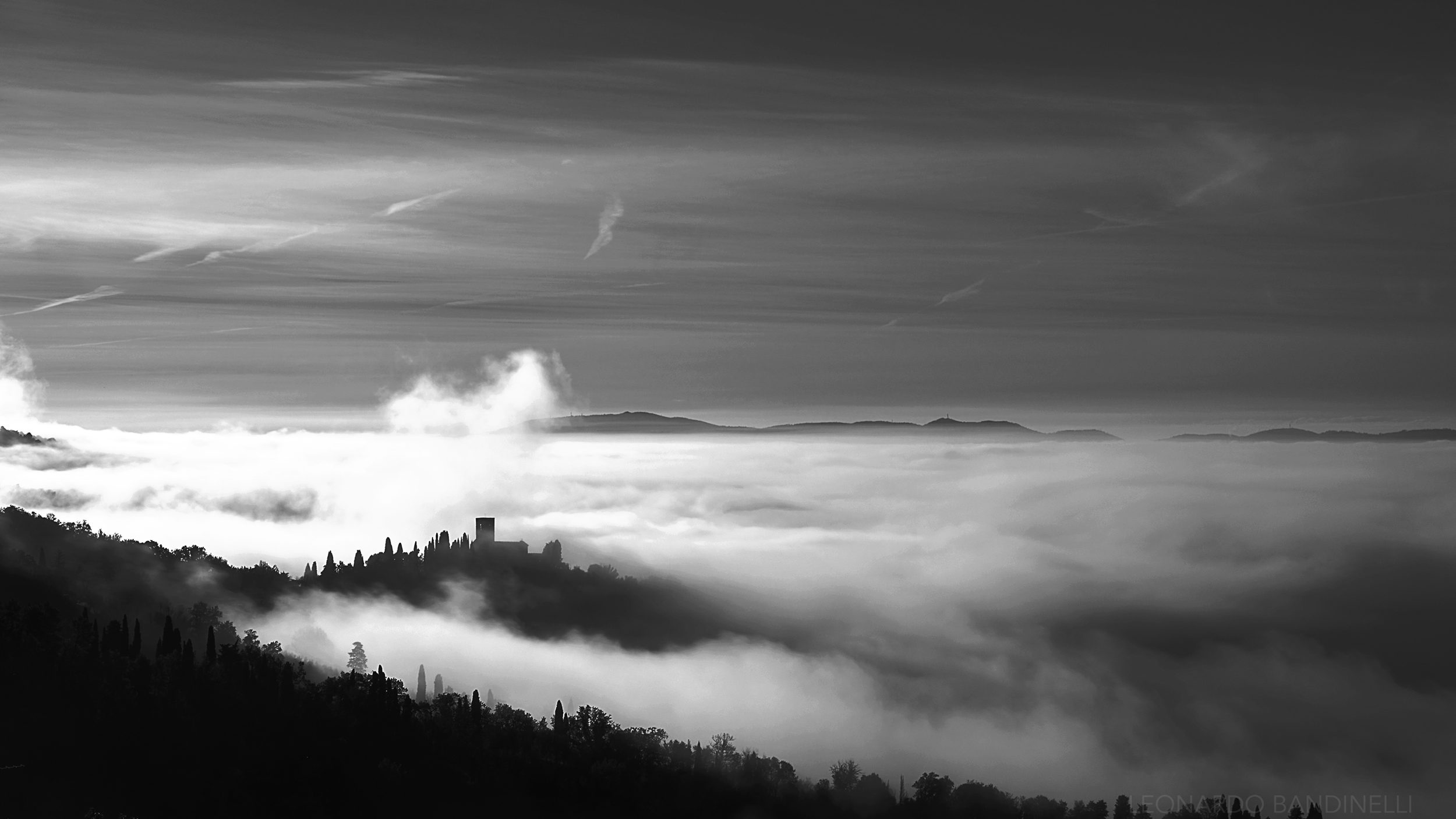
Why I chose black and white.
The choice to shoot in black and white or color is obviously subjective.
Personally, 99% of my photographs are in black and white.
I started shooting with Nikon, so in color, then switched to Sony.
However, over time I realized that during the development of my files, I tended to convert the images to black and white.
My choice.
And that’s why I switched to a camera that only shoots in black and white.
If you were to ask me if there’s a difference between converting and shooting directly in black and white, I would answer “absolutely yes”.
Of course, not all genres are suited for black and white.
However, focusing on portraiture and street photography, I find black and white much more captivating.
That said, I want to now outline a series of reasons why you might choose to exclusively dedicate yourself to monochrome.
10 Reasons to Shoot in Black and White.
- Eliminate distractions and focus on the subject:
In a world bombarded by colors and images, black and white can offer a visual break and allow for focusing on the essential elements of photography, such as shape, light, composition, and emotion. The absence of color compels the viewer to look beyond the surface and appreciate the photograph more deeply. - Emphasize contrasts and shades:
Black and white amplifies the contrast between light and shadow, creating a more dramatic and impactful image. Shades of gray, often overlooked in color photos, play a crucial role in black and white photography, enriching the composition and adding depth to the image. - Convey emotions:
Black and white can be a powerful tool for evoking emotions in the viewer. The choice of light and dark tones, the gradation of grays, and the juxtaposition of light and shadow can convey feelings of melancholy, nostalgia, joy, anger, or any other emotion the photographer wishes to communicate. - Style and creativity:
Black and white can lend a timeless touch to photographs and give them a classic or vintage aesthetic. It can also be used to create surreal or abstract effects or to give a fresh look to subjects that are already familiar. - Suboptimal lighting conditions:
In situations with poor lighting or high contrast, black and white can be a saving grace. By allowing focus on tonal values and composition, black and white can transform a mediocre photo into a powerful and evocative image. - Capture the essence of a scene:
Often, color can be a distracting element that detracts from the soul of a photograph. By removing color, black and white allows for capturing the essence of a scene, its true nature, and its intrinsic emotion. - Simplicity and minimalism:
Black and white can be used to create simple and minimalist images by eliminating unnecessary details and focusing on the essential elements of the composition. This approach can give photographs a sense of peace, tranquility, and elegance. - Works well with certain subjects:
Black and white is particularly suited for photographing subjects such as portraits, landscapes, architecture, and street scenes. Its ability to enhance contrasts, shapes, and textures makes it ideal for capturing the beauty of these subjects in an essential and timeless manner. - Creative challenge:
Shooting in black and white can be an interesting creative challenge for photographers of all levels. It forces them to think differently, to see light and composition in a new way, and to find new solutions to communicate their artistic vision. - Personal preference:
The choice to shoot in black and white is a matter of personal taste. Some photographers enjoy the classic and timeless aesthetic of black and white, while others find it limiting and prefer the vibrancy and expressiveness of color. There is no right or wrong answer; the important thing is to use black and white consciously and to achieve the desired effect.
In addition to these reasons, the choice to photograph in black and white can also be influenced by contingent factors such as the availability of film or digital sensors, lighting conditions, or the client’s preference.
Regardless of the motivations, black and white remains a powerful and versatile photographic tool that can be used to create emotional, evocative, and timeless images.
Cameras for shooting in black and white.
There are 2 modern cameras designed specifically for black and white photography, offering photographers a unique and dedicated shooting experience.
A flagship among compact cameras in black and white, featuring a 47.3-megapixel full-frame sensor that captures detailed and high-resolution images.
Equipped with a fixed Summilux 28mm f/1.7 lens for exceptional sharpness and shallow depth of field, ideal for portraits and street photography.
Built with high-quality materials and an iconic Leica design, it offers a premium experience.
An excellent option for professional photographers and enthusiasts seeking the highest image quality and a workflow optimized for black and white.
A high-performance APS-C DSLR designed to provide the best black and white photography experience.
A 25.7-megapixel sensor without a low-pass filter captures detailed black and white images with a wide dynamic range.
An advanced autofocus system ensures precise focusing even in low-light conditions.
Robust and weather-resistant, suitable for use in any weather conditions.
An excellent choice for professional and amateur photographers seeking a versatile and reliable camera for black and white photography.
But not only…
As you may know, many modern digital cameras and mirrorless cameras offer the ability to shoot in black and white as a mode or default setting.
However, in this case, it’s worth noting that this applies only to JPEGs. RAW files will always be in color.
In conclusion…
Choosing the right camera for black and white photography depends on individual needs and budget.
It’s important to consider factors such as image quality, portability, features, and price when making a decision.
Regardless of the camera chosen, for me, black and white photography offers a unique and creative way to express oneself and capture the world around us.
Remember that photography is an art, and there’s no right or wrong way to shoot.
The most important thing is to have fun, experiment, and find your own personal photographic style.
Keep shooting and learning, and your passion for black and white photography will continue to grow.
A question for you.
How do you express yourself better? In color or in black and white?
Finally, I invite you to subscribe to my blog qui where you will find all the articles and more.
A hug
Leonardo
Ciao Leonardo. Grazie per questo articolo interessante. Però hai dimenticato la M11 Monochrome!
Ciao David! Grazie mille per i complimenti. Sì hai ragione. Diciamo che era per rimanere su prezzi umani 🤣 No a parte le battute, ottimo spunto. La aggiungerò all’articolo. E’ che mettendo la regina poi però posso togliere tutte le altre 😉 Le Leica costano ma ne vale la pena. A parte la qualità dei file, la qualità costruttiva e la semplicità dei menu’, molti non si rendono conto che sono le uniche macchine che tengono il prezzo. E questo credo sia un aspetto da non sottovalutare. Io ho appunto una Q2 Mono ed è eccezionale. Praticamente uso solo quella. Grazie ancora David 🙏