
A clear example of inspiration : Peaky Blinders.
Photography and films for your inspiration.
In a film or television series like “Peaky Blinders,” cinematography is a fundamental element in creating atmosphere and communicating sensations and emotions.
In “Peaky Blinders,” cinematography plays a significant role in conveying the style and setting of the era (the post-World War I period), as well as the gritty and brutal nature of the gangster world.
You can observe the use of dark, noir tones to highlight the dark and mysterious atmosphere of the series.
Additionally, there are play of lights and shadows that accentuate the sense of tension and drama in the scenes.
Cinematography in “Peaky Blinders” also helps define the characters’ personalities, showcasing them in an iconic and memorable way through the use of particular framings and visual compositions.
In general, cinematography in a series like “Peaky Blinders” is a key element in visually capturing the essence of the story and its characters.
I could conclude the article with this stunning image that speaks for itself.
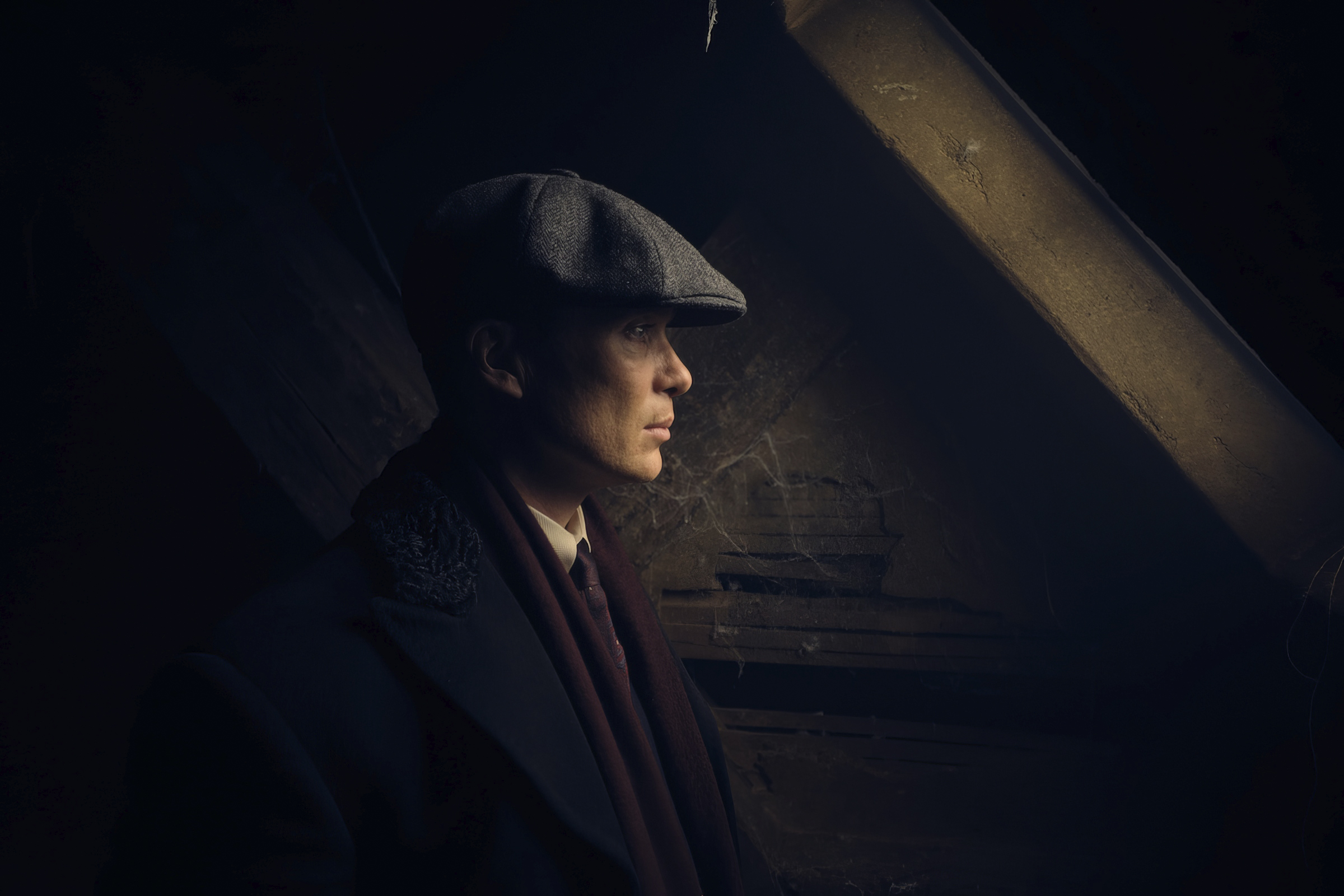
The essence of photography in films.
Photography in films plays several crucial roles for your inspiration:
Setting the atmosphere: Photography helps establish the mood and setting of the film through the use of colors, lights, shadows, and visual compositions. For example, cool tones can evoke a sense of sadness or loneliness, while warm tones can suggest warmth and empathy.
Communicating emotions: Photography can capture facial expressions, body language, and emotional details that help convey the characters’ emotions and emotionally engage the audience in the story.
Characterization of characters: The use of photography can help define characters through lighting, shooting angles, and the use of backgrounds and environments that reflect their personality and mood.
Visual storytelling: Photography can be used to guide the viewer through the narrative, focusing attention on specific details or key moments and creating smooth transitions between scenes.
Artistic expression: Cinematographic photography is an art in itself, and many directors and cinematographers use particular techniques to express their artistic vision and create iconic and memorable images.
In essence, photography in a film is a key element that contributes to creating an engaging and memorable cinematic experience, influencing the viewer’s perception and enriching the visual narrative.
Drawing inspiration from photography in a film.
Drawing inspiration from photography in a film can be useful for several reasons:
Creative inspiration: Cinematographic photography often presents visual compositions and creative uses of light, color, and shadow that can inspire new ideas and creative approaches in one’s own photographic work.
Technical learning: Observing how various photographic techniques are used in a film can help better understand how to apply them in one’s own photography, whether it’s lighting, composition, or atmosphere management.
Visual storytelling: Films are an art form that combines image and narrative. Studying photography in well-made films can help understand how images can be used to tell stories powerfully and engagingly.
Exploration of styles and trends: Films often feature unique and innovative photographic styles that can be adopted or adapted to personal photography, allowing exploration of new trends and aesthetic approaches.
Development of one’s artistic vision: Examining photography in films can help develop a greater awareness of one’s own artistic vision and aesthetic preferences, helping to define a personal photographic style.
Ultimately, drawing inspiration from photography in films can enrich one’s creative and technical repertoire, providing new perspectives and inspirations to enhance one’s photographic skills and develop a distinctive artistic voice.
Iconic films and television series.
Here’s a list of iconic films and television series with exceptional photography that I’d like to recommend to you (there are actually many more):
Films:
“The Godfather” (1972) – Directed by Francis Ford Coppola, this cinema classic offers memorable photography that captures the dark and dramatic atmosphere of the Corleone mafia family.
“Blade Runner” (1982) – Directed by Ridley Scott, this dystopian science fiction film is famous for its breathtaking photography, which creates a futuristic world rich in atmosphere and detail.
“The English Patient” (1996) – Directed by Anthony Minghella, this historical film offers spectacular photography that captures the majestic beauty of African and Italian landscapes during World War II.
“The Lord of the Rings” trilogy (2001-2003) – Directed by Peter Jackson, this epic fantasy trilogy offers extraordinary photography that transports viewers into fantastical worlds rich in detail and atmosphere.
“Life of Pi” (2012) – Directed by Ang Lee, this film is known for its stunning photography that captures the beauty and vastness of the ocean, as well as the incredible visual sequences throughout the story.
Television series:
“Breaking Bad” – This series offers distinctive photography that fits perfectly with the storytelling, using saturated colors and contrasts to accentuate the atmosphere of tension and drama.
“Stranger Things” – With photography that evokes 1980s cinema, this series uses vivid colors and soft lighting to create a retro yet eerie atmosphere.
“Game of Thrones” – This epic fantasy series offers spectacular photography that captures the vastness of its fantastical worlds, with breathtaking landscapes and epic action scenes.
“Fargo” – With photography that reflects the icy and surreal atmosphere of the American Midwest, this series offers spectacular images and a distinctive color palette.
“The Crown” – This historical series offers elegant and regal photography that captures the atmosphere and aesthetics of the British royal family over the decades.
Conclusion.
As for me, drawing inspiration from photography in a film or television series can be a source of creative inspiration.
An opportunity to learn new techniques and narrative approaches, as well as to develop a distinctive artistic vision.
Question.
Now I want to ask you a question:
What is the film or television series with the most memorable photography that you have ever seen and why?
With this question, my article concludes, which I hope can be a source of inspiration for your next shots.
Ti ricordo che puoi trovare tutti i miei articoli qui
A hug.
Leonardo